

Pool Inspections
Home > Pool Inspections
Pool Inspections
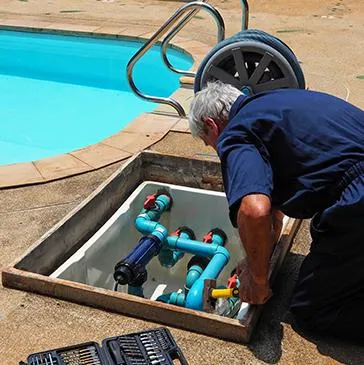
Pool inspections in North Carolina focus on safety, functionality, and overall condition of the pool and its components. Inspectors begin by evaluating safety barriers, including fencing, gates, and self-latching mechanisms, to ensure they meet North Carolina safety requirements. They also check drain covers and suction fittings for compliance with anti-entrapment standards designed to reduce the risk of serious injury. In addition, inspectors assess visible pool equipment such as pumps, filters, heaters, and electrical bonding to identify potential safety hazards or operational concerns that could lead to costly repairs or safety issues.
Electrical systems, such as pool lighting and equipment, are thoroughly checked for potential hazards. The pool structure, including tiles and surrounding areas, is examined for damage like cracks or leaks that could lead to costly repairs. Additionally, the operation of the pool’s filtration and pump systems is tested. Plumbing is inspected for leaks, clogs, or faulty connections, while accessories such as ladders and covers are verified for secure installation.
A Few Quick Facts About Pool Inspection
Pools Can Be Dangerous: Proper barriers, such as fences and self-latching gates, are essential to meet safety codes and prevent accidents.
Structural Integrity Matters: Cracks, leaks, and damage in pool walls, floors, and tiles can lead to costly repairs and safety issues.
Equipment Needs Regular Checkups: Pumps, filters, heaters, and plumbing should be inspected for leaks, clogs, and functionality.
Objections to Pool Inspection
The Pool Looks Fine to Me: Many homeowners believe that if the pool appears visually fine, it doesn’t need an inspection. While it may look good on the surface, hidden issues like cracks, leaks, or faulty plumbing can cause long-term damage. An inspection catches these problems before they turn into costly repairs.
It’s a New Pool: Some people think new pools don’t need inspection. While new pools should be in good condition, they can still have issues like improper installation, equipment malfunction, or code violations. Inspections help ensure everything is up to standard and functioning correctly from the start.
The Pool Was Inspected Last Year: A common objection is that a recent inspection makes another one unnecessary. However, pools are exposed to wear and tear from constant use, weather changes, and seasonal adjustments. Annual inspections help keep your pool in top shape and address any new issues that may have developed.
I Can Do It Myself: Some homeowners think they can handle the inspection or repairs on their own. While basic maintenance can be done, pool inspections involve specialized knowledge to identify hidden issues with equipment, plumbing, and safety. A professional inspection ensures nothing is missed, keeping your pool safe and functional.
(980) 412-5959
Subscribe to our social


© Copyright 2024. Royal Home Inspections. All rights reserved.