

Mold Testing
Home > Mold Testing
Solar Panel Inspection in Chicago
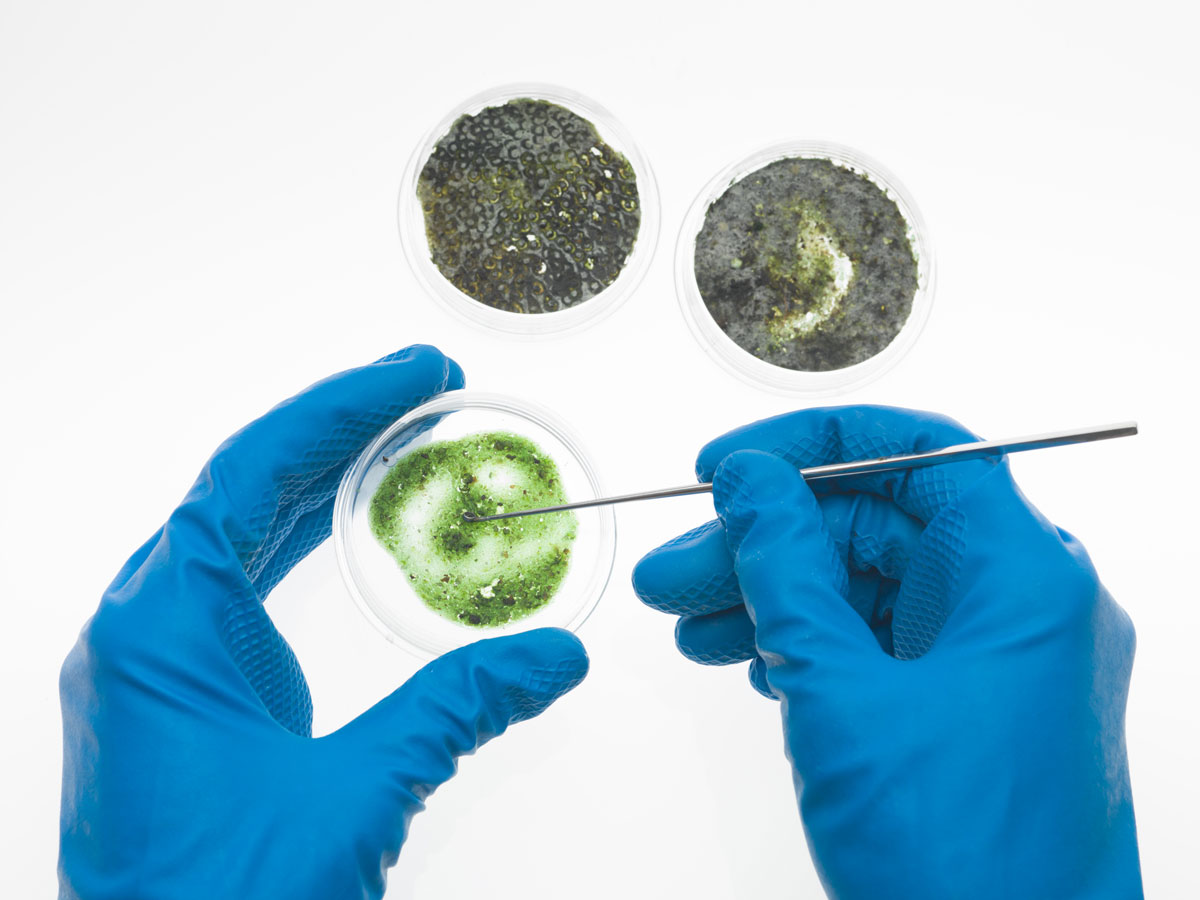
Mold testing in North Carolina is an important step in identifying potential indoor air quality issues and hidden moisture problems that may not be visible during a standard home inspection. Inspectors begin by evaluating areas prone to moisture intrusion, such as crawl spaces, basements, attics, bathrooms, and around HVAC systems. Air samples are collected to measure mold spore levels inside the home and compared to outdoor control samples to determine whether elevated mold conditions exist. Surface samples may also be taken from visible staining or suspected growth to help identify the type of mold present. Inspectors look for contributing factors such as leaks, poor ventilation, high humidity, or drainage issues, which are common causes of mold growth in North Carolina’s humid climate. While mold testing does not diagnose health conditions, it provides valuable data that helps homeowners and buyers understand potential risks, determine whether further evaluation or remediation is needed, and protect the long-term condition of the home.
A Few Quick Facts About Mold Testing
Moisture Is the Root Cause: Mold growth is almost always related to excess moisture from leaks, high humidity, poor ventilation, or drainage issues—conditions that are common in North Carolina’s climate.
Not All Mold Is Visible: Mold can grow behind walls, under flooring, in crawl spaces, attics, or HVAC systems without obvious visual signs. Air and surface sampling help identify hidden mold issues.
Indoor Air Quality Matters: Mold testing measures airborne mold spores inside the home and compares them to outdoor levels to determine if indoor air quality is compromised.
Different Molds, Different Concerns: Surface sampling can help identify the type of mold present, which is useful for determining whether further evaluation or professional remediation is recommended
Testing Helps Guide Next Steps: While mold testing does not include removal, it provides objective data that helps buyers, sellers, and homeowners decide if corrective action is needed to protect both health and the home.
When Mold Testing is Recommended
-Musty or persistent odors
-Past or active water leaks
-Crawl space or attic moisture
-HVAC condensation concerns
-Health or allergy sensitivities
-Pre-purchase peace of mind
(980) 412-5959
Subscribe to our social


© Copyright 2024. Royal Home Inspections. All rights reserved.